


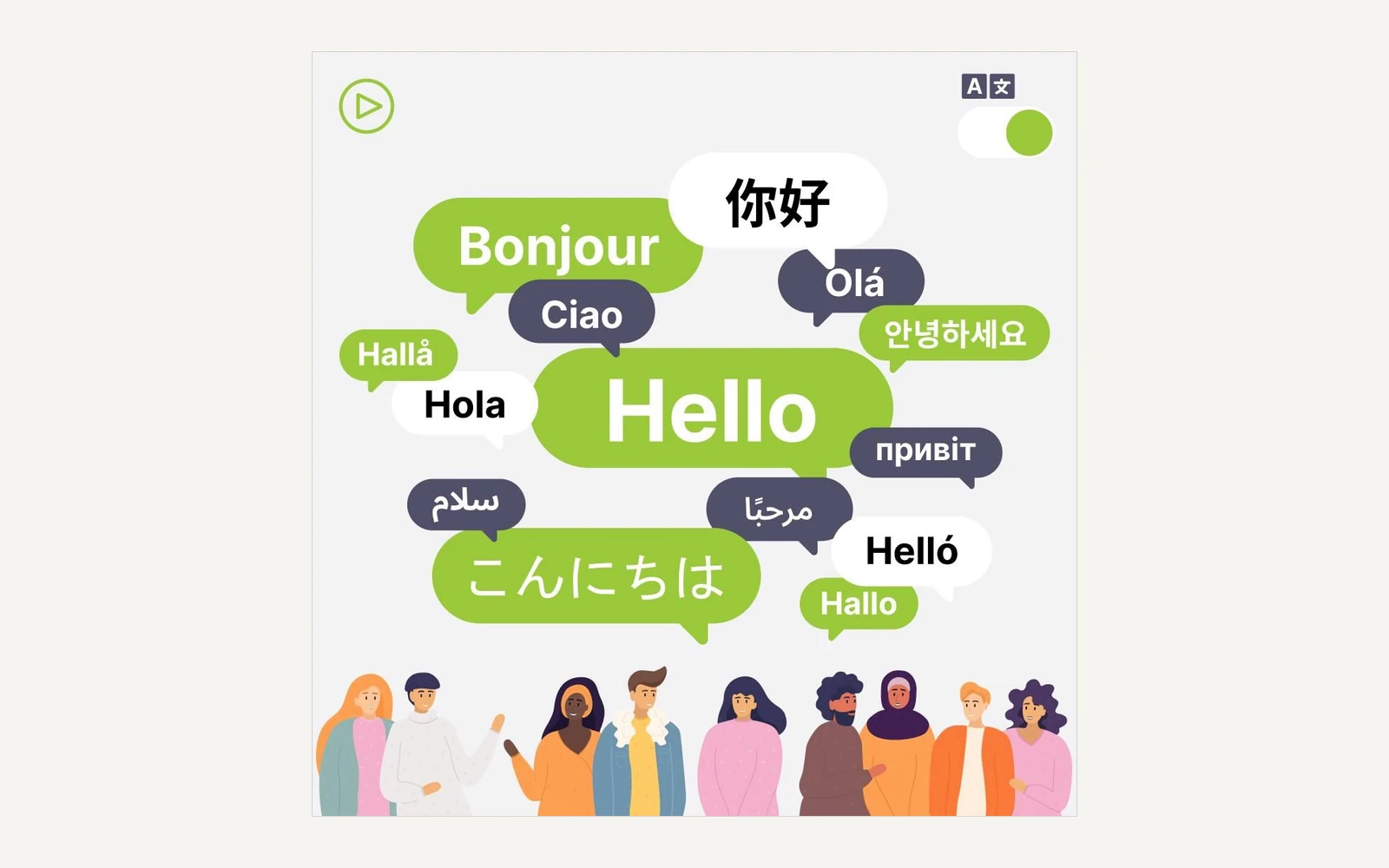
Before translating, define a source language, the languages that are genuinely needed, who validates translations and how updates will be maintained.
Define a source language
A clear source language prevents versions from drifting apart. Important changes should start from one reference and then be reflected across other languages.
Translate the interface too
Menus, buttons, forms, error messages, basket, checkout, emails and system text all need attention. Partially translated interfaces quickly feel unfinished.
Adapt rather than translate literally
Text length changes between languages. Commercial and administrative wording often needs adaptation to remain natural and clear.
Plan multilingual SEO
Important language versions need appropriate titles, descriptions, coherent URLs and hreflang links. Empty or duplicated pages should be avoided.
Plan maintenance
More languages mean more content to control. Define who validates each language and which pages need to be updated together.
Illustrative example
A shop adds a second language. Translating product pages alone leaves gaps if the basket, errors and emails remain in the source language. Test a complete order in each language and appoint someone to approve wording. Commercial conditions should remain consistent across versions.
Your practical checklist
- Choose a source language and an approver for each language.
- Include menus, forms, basket and email messages.
- Check links between corresponding language versions.
- Plan translations for future updates.
Related reading
How do you make an e-commerce catalogue clearer?Need support?
Plan my multilingual website.
Explain your goal, your current situation and what is holding you back. You do not need a technical specification to start: the first step is to identify useful priorities and agree a clear scope.